


Artificial Turf Installation Guide
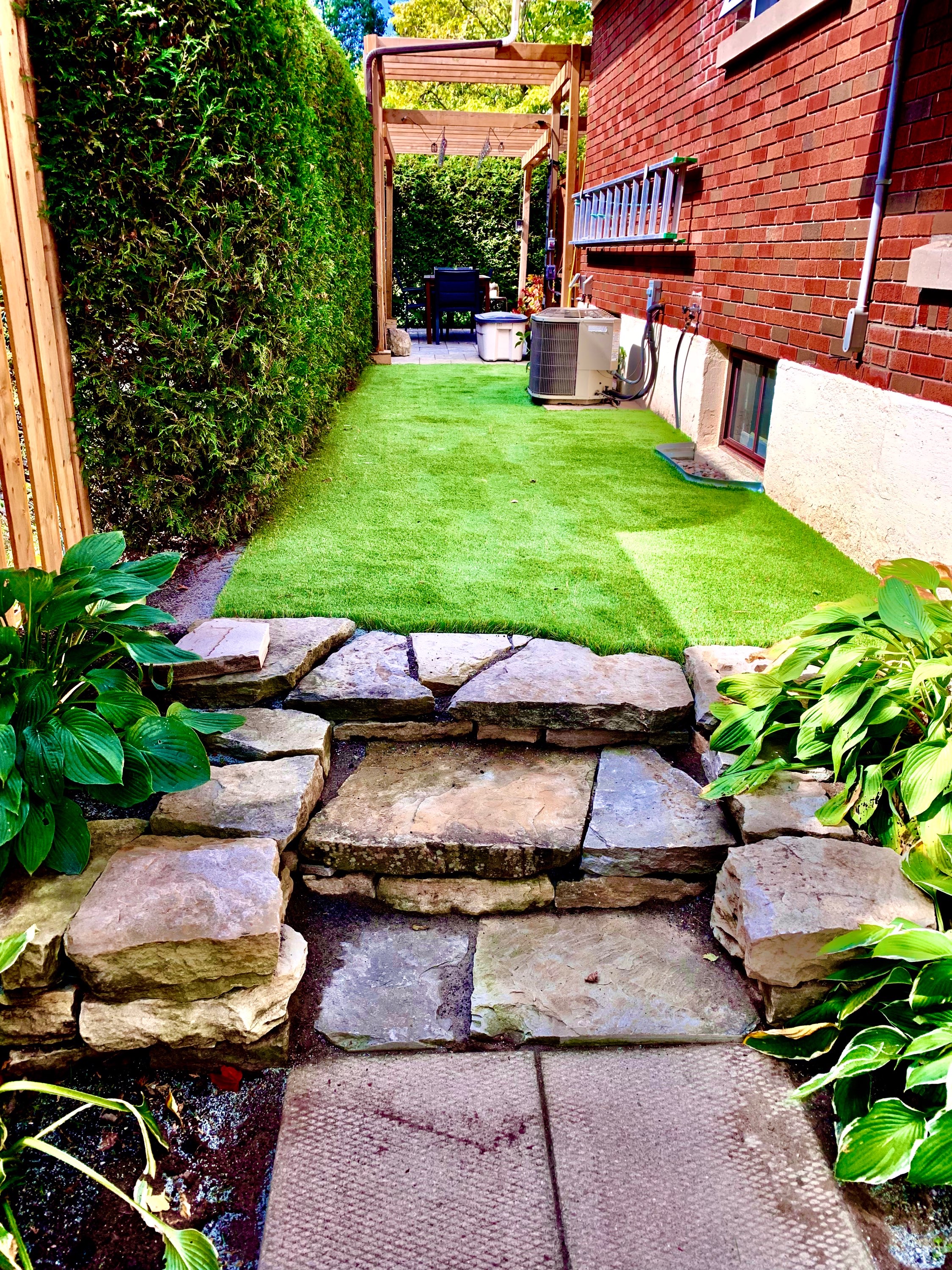
Installing artificial turf is more than simply rolling out synthetic grass over an existing lawn. The quality of the excavation and ground preparation is one of the most important factors determining how durable, attractive, and well-drained your finished installation will be. A poorly prepared base can lead to uneven surfaces, drainage problems, shifting, and premature damage to the turf.
Whether you are a homeowner planning a DIY project or a landscaping professional looking to improve your installation process, proper excavation is the foundation of a successful artificial turf project. In this guide, we’ll walk you through the essential steps—from marking the installation area and removing existing vegetation to achieving the correct excavation depth, establishing proper drainage, installing and compacting the aggregate base, and preparing the surface for your artificial grass.
Let’s start from the ground up and create a solid foundation for an artificial turf installation that looks great and lasts for years.To perform a good ground excavation before installing artificial grass, follow these steps:
Gather your tools and materials:
Shovels
Rakes
Wheelbarrow
Compactor (optional)
Geotextile fabric
Sand or crushed stone (base material)
Artificial grass
Utility knife
Mark the area: Clearly mark the area where you intend to install the artificial grass using stakes and string. This will help you maintain the proper shape and dimensions.
Remove existing vegetation: Use a shovel or turf cutter to remove any existing grass, weeds, or vegetation from the marked area. Ensure you remove all roots and debris.
Excavation depth: Dig out the soil to the required depth, typically around 2 to 4 inches (5-10 cm). This depth allows space for the base material and the artificial grass.
Grade the surface: Use a rake to create a slight slope away from any structures to ensure proper drainage. A 1-2% slope is usually sufficient.
Add base material: Spread a layer of crushed stone or sharp sand evenly across the excavated area. This layer should be about 2-3 inches (5-7.5 cm) thick. Use a compactor to compact the base material thoroughly to create a stable and level surface.
Install geotextile fabric: Lay down geotextile fabric over the compacted base material. This fabric helps prevent weed growth and provides stability.
Lay artificial grass: Unroll the artificial grass over the prepared area. Make sure it fits snugly and aligns with the edges of your marked area.
FINAL STEPS
Trim and secure: Trim any excess artificial grass with a utility knife. Secure the edges using landscape staples to keep the grass in place.
Add infill (optional): Depending on the type of artificial grass you have, you may need to add an infill material like silica sand or rubber granules to improve stability and resilience.
Brush and groom: Use a stiff broom to brush the artificial grass blades upright and evenly distribute the infill material if used.
Final inspection: Walk over the artificial grass to ensure it feels even and stable. Make any necessary adjustments.


Comments